Trump Baffled Iran Has Not Yielded to US Pressure
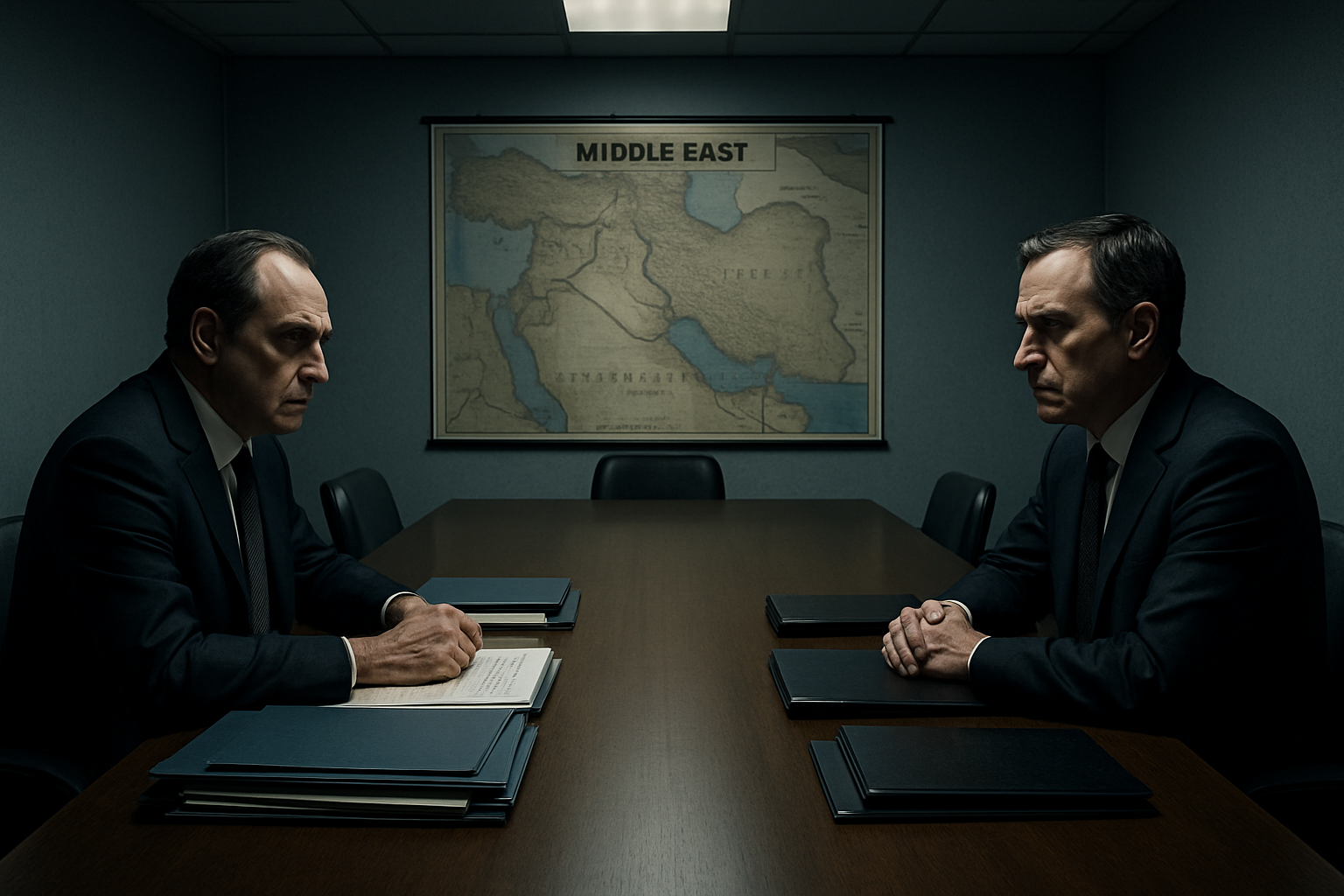
US President Donald Trump has reportedly expressed bewilderment that Iran has not yet bent to American diplomatic and economic pressure, according to special envoy Steve Witkoff — a statement that signals growing impatience in Washington as nuclear negotiations remain unresolved.
Special envoy Steve Witkoff, Trump's designated point man on Middle East affairs, publicly conveyed the president's frustration with Tehran's posture, describing Trump as curious why Iran had not yet "capitulated" to US demands. The remarks underscore a widening gap between Washington's expectations and Tehran's actual negotiating position.
The comments arrive at a delicate moment in US-Iran relations. Since returning to office, Trump has revived a "maximum pressure" strategy — a policy of escalating economic sanctions designed to force Iran into concessions, particularly over its nuclear program. The approach mirrors tactics from Trump's first term, which saw the US withdraw from the 2015 Joint Comprehensive Plan of Action (JCPOA), the multilateral deal that had placed limits on Iran's nuclear activities in exchange for sanctions relief.
Iran has, according to analysts, responded to renewed pressure with a combination of defiance and selective diplomatic outreach. Tehran has continued advancing its uranium enrichment — the process of increasing the concentration of the uranium-235 isotope used in both civilian reactors and nuclear weapons — to levels that Western governments and the International Atomic Energy Agency (IAEA) consider alarming. Iranian officials have publicly rejected what they describe as coercive diplomacy while simultaneously signaling openness to talks under specific conditions.
The timing of Witkoff's remarks is significant. Regional tensions remain elevated following more than a year of conflict in Gaza, disruption to Red Sea shipping lanes by Yemen's Houthi movement — which maintains ties with Tehran — and continued instability across Lebanon and Syria. Iran's "Axis of Resistance," its network of allied militant groups across the region, has faced considerable military degradation, which some analysts argue has weakened Tehran's regional leverage.
European allies, who invested heavily in maintaining the JCPOA framework, have watched the unraveling of that agreement with concern. The United Kingdom, France, and Germany — collectively known as the E3 — have continued to engage diplomatically with Iran, though their influence over both Washington and Tehran has reportedly diminished. Russia and China, both parties to the original nuclear deal, maintain economic relationships with Iran that partially offset the impact of US sanctions.
From Tehran's perspective, capitulation is not a politically viable option. Iranian leadership faces domestic pressures, including an economy strained by sanctions and a population that has witnessed cycles of diplomatic engagement followed by American withdrawal. Agreeing to sweeping concessions without guaranteed long-term US commitment would carry significant political risk for any Iranian government.
Critics of the Trump administration's approach argue that framing diplomacy around "capitulation" undermines the prospect of a negotiated settlement. Effective diplomatic agreements, analysts note, typically require both parties to claim a degree of victory domestically. Language implying unconditional surrender rarely produces durable agreements.
Supporters of the maximum pressure strategy counter that Iran has consistently exploited diplomatic openings to advance its nuclear capabilities, and that only sustained economic pain will produce meaningful behavioral change in Tehran.
The broader international community watches closely. A nuclear-armed Iran would fundamentally alter the strategic balance in the Middle East and could trigger proliferation pressures on neighboring states, including Saudi Arabia, Turkey, and Egypt — each of which has, at various points, signaled interest in developing independent nuclear capabilities should Iran cross the weapons threshold.
For now, the gap between Trump's apparent expectation of swift Iranian submission and Tehran's calculated resistance suggests that a diplomatic breakthrough remains distant. Witkoff's public statements may reflect genuine frustration — or a deliberate pressure tactic designed to force Iran's hand before any formal negotiations begin.
---